Funny Woody: Warm Handwritten Font for Handmade Products
I was sitting at my kitchen table last week, testing a new batch of soy wax candles for my small shop, when I realized the label design was missing something. The scent names were set in a generic sans serif, and while clean and readable, they felt cold against the handmade feel of the candles. I opened my font library, scrolled past the usual suspects, and landed on Funny Woody. Within minutes, the labels felt alive. The letterforms had a gentle, uneven charm that matched the imperfect beauty of hand-poured wax. That moment reminded me why I love working with a truly expressive handwritten font.
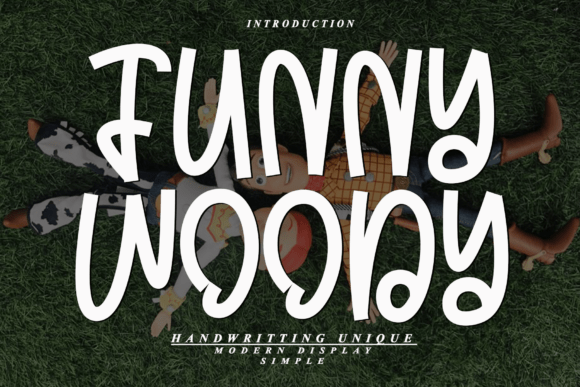
Funny Woody is a lovely and timeless handwritten typeface. It carries a natural, unpolished warmth that feels like a friend wrote it with a favorite pen. Every letter has a unique and beautiful touch, which makes it perfect for the kinds of projects we crafters and printable creators build our shops around. Whether you are designing product labels, greeting cards, wedding invitations, or digital downloads, this font brings a sense of authenticity that connects with customers looking for something handmade and heartfelt.
What Makes Funny Woody Stand Out in a Crowded Font Library
There are hundreds of handwritten fonts available, but Funny Woody has a specific personality. It is not overly neat or perfectly uniform. The letters have character, with slight variations in stroke weight and shape that mimic natural handwriting. This makes it feel approachable and genuine. For a handmade seller, that is gold. When a customer sees a product tag or a sticker set in Funny Woody, they sense the care behind the design. It tells a story before they even read the words.
As a display font, Funny Woody shines in short, impactful uses. It is ideal for names, titles, quotes, and decorative phrases. I have used it on product labels for my bath salts, where the font sits at the top of each label with the scent name. It also works beautifully on greeting cards, where a single line like "You are loved" becomes the focal point of the design. The font does not get lost in long paragraphs, but for a tagline, a shop name, or a heartfelt message, it is exactly right.
Bringing Funny Woody into Real Product Work
One of the first things I tested with Funny Woody was a set of candle labels for a seasonal collection. I wanted the font to feel cozy and a little rustic, like something you might find at a farmhouse market. The lowercase letters have a natural bounce, and the uppercase forms have a stately but friendly presence. I used it for the fragrance names—"Vanilla Bean," "Cedar Smoke," "Honeyed Apple"—and paired it with a simple serif font for the ingredient list. The contrast was lovely. The handwritten warmth of Funny Woody drew the eye, while the serif provided the necessary readability for the fine print.
For sticker sheets, Funny Woody is a dream. I design planner sticker sets for fellow stationery lovers, and the font works beautifully for days of the week, mood trackers, and decorative labels. The key is to keep the text size large enough to maintain legibility, especially when cutting by hand or with a machine. I recommend testing a small print before committing to a full sheet. When the font is scaled down too much, the delicate strokes can get lost. But at a reasonable size, it adds a hand-drawn quality that planner enthusiasts love.
Perfect Projects for Funny Woody
If you are like me and enjoy making things with your hands, you will find countless ways to use Funny Woody. Here are some of the projects I have tried or plan to try:
- Product labels for candles, soaps, balms, and bath salts. The font adds a personal touch that feels like a small-batch brand.
- Greeting cards and invitations for birthdays, weddings, and holidays. A single line of Funny Woody text on a blank card becomes a keepsake.
- Wedding stationery including save-the-dates, ceremony programs, and welcome signs. The font has a romantic, timeless quality that suits the occasion.
- Printable wall art for home decor. Quotes like "Gather," "Home," or "Be Kind" become instant favorites in a farmhouse or modern setting.
- Boutique packaging such as favor bags, gift tags, and tissue paper wraps. Funny Woody gives the packaging a handmade feel that customers notice.
- Mugs, shirts, and tote bags for heat transfer or screen printing. The font works well for short phrases and names on fabric and ceramic surfaces.
- Seasonal craft designs for holidays, markets, and limited-edition collections. Swap out the color palette and keep the font consistent across seasons.
Each of these projects benefits from the emotional connection that Funny Woody creates. When someone picks up a candle with a label set in this font, they do not just see a product. They see a story, a maker, a moment of care. That is the kind of reaction we want as handmade sellers.
Readability and Production Tips for Makers
Working with a handwritten font like Funny Woody requires a little attention to production details. Because the letters have natural variation, you want to make sure they remain readable at the sizes you plan to use. For product labels that are two inches wide or smaller, I recommend testing a print sample first. If the text is too small, the charm of the font can turn into a blur. But at a size of 18 points or larger, it reads beautifully.
For cutting machines like Cricut or Silhouette, Funny Woody works well for vinyl decals and stencils. The key is to use a thicker weight or a slightly scaled-up version so the blade has enough material to cut cleanly. Thin strokes can be tricky with intricate cuts, so I always weld the letters together in my design software to keep everything connected. For heat transfer on mugs or shirts, I use a mirror image and press at the recommended temperature for the material. The font holds up nicely on fabric and ceramic surfaces.
When designing for print, I recommend using a high-quality paper or cardstock that complements the font's texture. A matte or uncoated paper gives the letters a soft, hand-drawn look, while a glossy finish can make them feel more polished. Both work, but the matte finish often feels more authentic for a handmade brand.
Font Pairing Ideas for a Cohesive Brand Look
No font works in isolation, and Funny Woody pairs beautifully with other typefaces. I have found that a clean sans serif font is its best companion. The contrast between the casual handwritten style and a crisp, modern sans serif creates a balanced, professional look. For example, I use a simple sans serif for product descriptions, prices, and ingredient lists, while Funny Woody handles the name and decorative elements. This combination keeps the design readable while preserving the handmade charm.
A simple serif font also works well for a more traditional or vintage feel. The serif adds structure and formality, while Funny Woody brings warmth. I have used this pairing for wedding welcome boards and farmhouse signs, where the serif carries the longer text and the handwritten font highlights the couple's names or a short message. For a more playful look, pairing Funny Woody with another script font can work, but I recommend keeping the second font simple to avoid visual clutter. The goal is to let Funny Woody shine without competing for attention.
Technical Details to Check Before You Sell
Before you use Funny Woody for physical products, printed items, templates, or digital downloads, it is important to check the included styles, alternates, ligatures, swashes, and file formats. Some fonts come with extra characters that add even more personality, such as alternate letterforms or decorative swashes that can make your designs feel unique. I always look for these extras because they allow me to customize the text and avoid the same look on every product.
Multilingual support is another consideration. If you sell to customers who speak different languages or if your product labels include foreign words, check that the font covers the characters you need. I have been caught in the past with a font that looked perfect but lacked accented letters, and it was a frustrating lesson. Funny Woody offers broad language support, which makes it a reliable choice for an international shop.
Commercial font licensing is a critical step. If you are selling physical products, templates, printables, SVG-style designs, merchandise, or digital downloads, you need a license that covers commercial use. Some fonts require an extended license for merchandise or for templates that others will customize. Always read the licensing terms carefully before you start production. This protects your shop and ensures you are using the font legally. Funny Woody's licensing is straightforward, but it never hurts to double-check the specific terms for your business model.
Building a Consistent Brand with Funny Woody
One of the best ways to use Funny Woody is to make it a consistent part of your brand identity. When customers see the same handwritten font across your product labels, packaging, social media graphics, and website, they start to associate that warmth with your shop. It becomes a visual signature that sets you apart from competitors who use generic fonts. Over time, that recognition builds trust and loyalty. People remember how a brand makes them feel, and Funny Woody feels personal.
I have started using it for my shop logo, my thank-you cards, and even my seasonal sale banners. The font is versatile enough to work in full color or in a simple black-and-white print. It looks equally good on a kraft paper tag and a glossy product label. That flexibility is rare, and it makes Funny Woody a font I reach for again and again.
Whether you are just starting your handmade business or looking to refresh your product line, a font like Funny Woody can make a real difference in how your work is perceived. It adds a layer of emotion and care that factory-made products cannot replicate. In a world full of mass production, that handmade touch is exactly what customers are looking for.